I have taught across the curricula in Spanish, Latin American Studies, and Comparative Literature at Washington University in St. Louis, Kenyon College, Washington and Lee University, Princeton University, and Yale University.
At Yale, I teach courses on Latin American and Latinx literature and culture, hemispheric studies, avant-gardes, and translation. I also work closely with graduate students in Spanish & Portuguese and Comparative Literature on projects ranging from twenty-first-century Latinx literature and Central American studies to Boom-era novels and avant-gardes under state terrorism. My courses at Yale receive consistently strong student evaluations—averaging 4.7 out of 5—placing me among the highest-rated instructors in the Humanities.

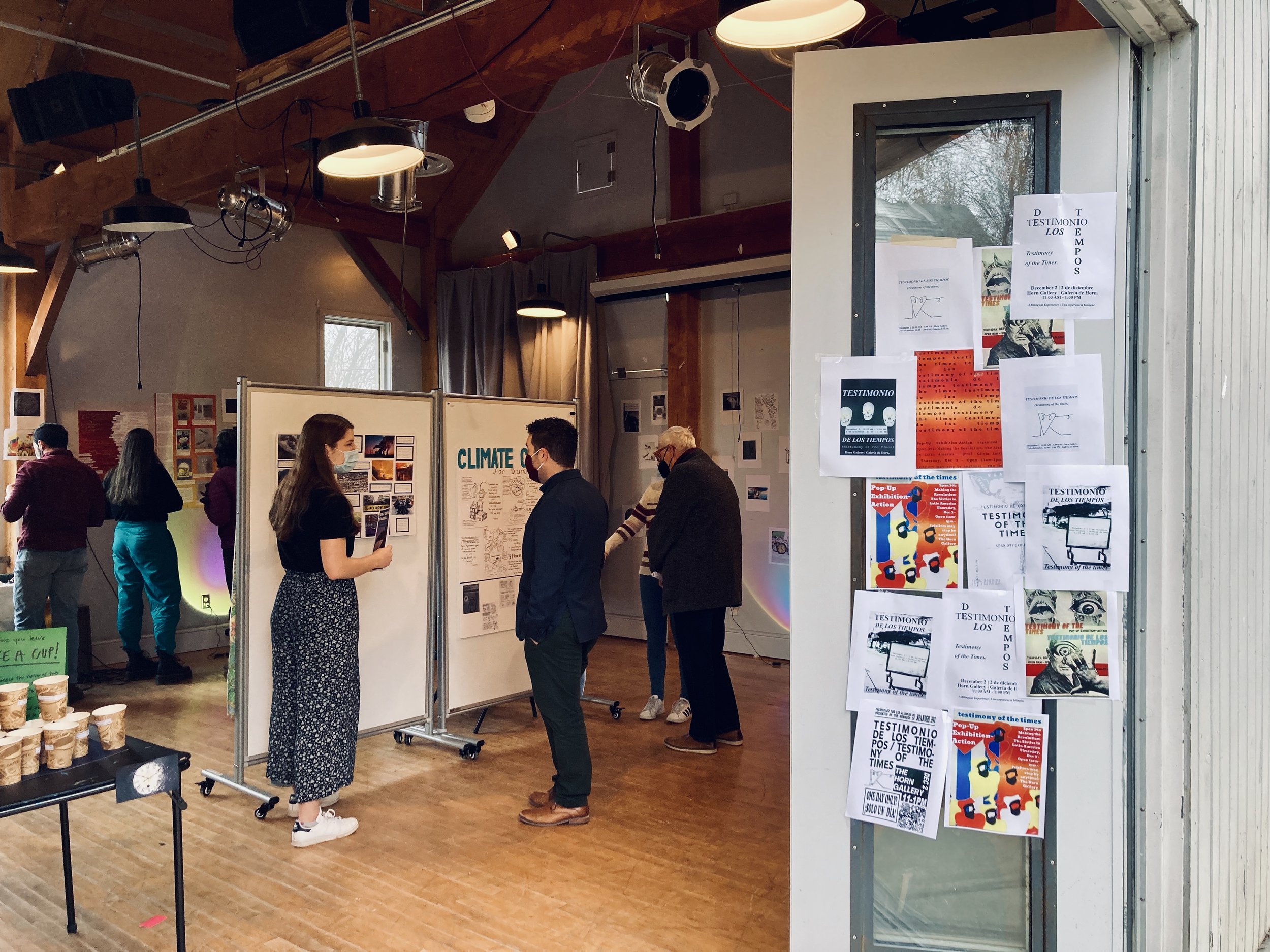
Exhibition-Action, “Making the Revolution: The Sixties in Latin America” Kenyon College, Fall 2021
Recent Student Evaluations
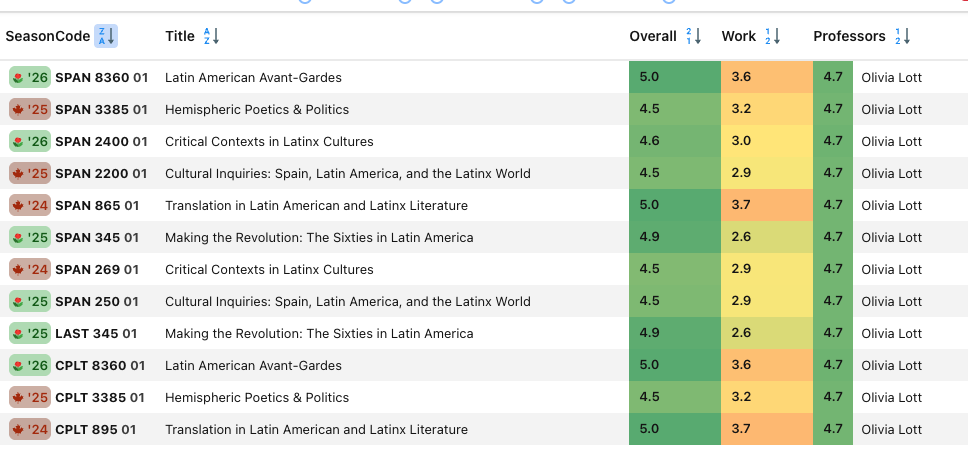
At Yale, my courses receive an average student rating of 4.7 out of 5 while maintaining a level of difficulty slightly above the university average (3.2 out of 5).
Students frequently describe my courses as rigorous while also supportive and accessible, emphasizing the space they are given to take intellectual risks, develop their own interpretations, and learn from one another.
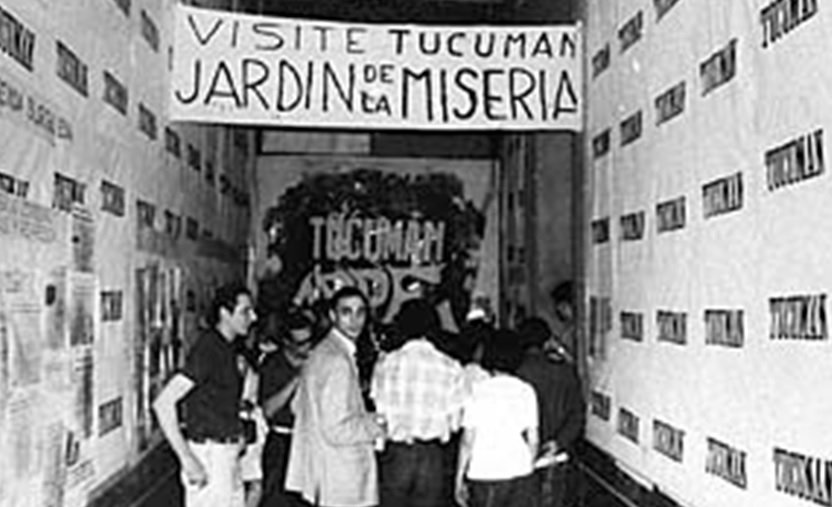
This course explores the cultural energies of the Latin American “long 1960s” (1959–1973), a period of revolutionary upheaval, social transformation, and artistic experimentation. We study how writers, filmmakers, journalists, and artists responded to anti-imperialist struggles, uneven modernity, popular mobilization, and state repression. Moving across national borders and artistic genres, we focus on works designed for immediate impact: manifestos, visual poetry, comics, experimental journalism, literary magazines, documentaries, newsreels, music, and art actions. Throughout the semester, students engage both critical analysis and creative practice. The course culminates in a public-facing exhibition that reimagines the cultural strategies of the 1960s for today.
Fall 2021, Kenyon College, Department of Modern Languages and Literatures
Fall 2022, Washington and Lee University, Department of Romance Languages
Spring 2025, Yale University, Department of Spanish & Portuguese
Making the Revolution: The Sixties in Latin America (undergraduate)
Original Courses
Hemispheric Poetics and Politics (undergraduate)

This course offers a hemispheric exploration of poetry and politics across the Americas. We examine pivotal moments in U.S.–Latin American history and their representation or interrogation in Latin American and U.S. Latinx poetry. Spanning the 20th and 21st centuries, topics include territorial expansion, the so-called Banana Wars, the collapse of the Good Neighbor era, the inter-American Cold War, U.S.-backed dictatorships and occupations, the neoliberal national security complex, and the ways these foreign policies “come home.” Reading poets writing in real time or decades later, we consider how poetry can witness, document, confront, and denaturalize these hemispheric realities. The course cultivates a South-to-North comparative approach, centering Latin American and U.S. Latinx poets and poetic encounters across borders in Spanish and Spanglish.
English/Comparative Literature version — Spring 2024, Princeton University, Program in Latin American Studies
Spanish/Comparative Literature version - Fall 2025, Yale University, Department of Spanish & Portuguese and Department of Comparative Literature
Translation in Latin American and Latinx Literature (graduate or mixed-level)

This graduate seminar examines translation as a charged site where linguistic, cultural, and political hierarchies are negotiated. Focusing on Latin American and U.S. Latinx literatures, we study how translation functions as both theoretical program and experimental mode within “original” writing. Readings from the twentieth and twenty-first centuries include pseudotranslations, unreliable self-translations, transcreations, translingual texts, and fictions with translator-protagonists, alongside key theoretical works that map distinctly Latin(x) American approaches to translation.
Undergraduate version — Fall 2023, Princeton University, Program in Latin American Studies
Graduate version — Fall 2024, Yale University, Department of Spanish & Portuguese and Department of Comparative Literature
Latin American Avant-Gardes (graduate)
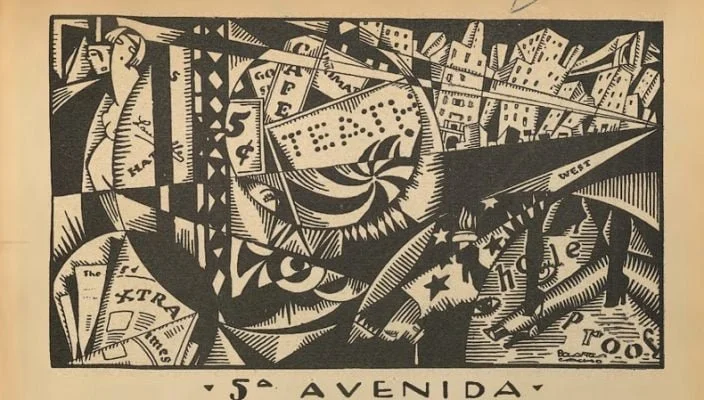
This graduate seminar surveys avant-garde movements and aesthetics across Latin America and the Caribbean from the early twentieth century through much of the Cold War. We begin with key theoretical debates, then trace the circulation of European movements such as Futurism and Cubism and their transformation in Latin American contexts. The course moves from the historical avant-gardes to postwar and neo-avant-garde practices of the 1950s–1980s, examining artistic responses to new modernities, revolution, dictatorship, and state violence. Materials include manifestos, poems, performances, magazines, essays, and visual art, with a focus on circulation, translation, collective authorship, and transnational networks.
Spring 2026, Yale University, Department of Spanish & Portuguese & Department of Comparative Literature
The Aesthetics of Revolt: Arts of Latin American Revolutions (undergraduate)
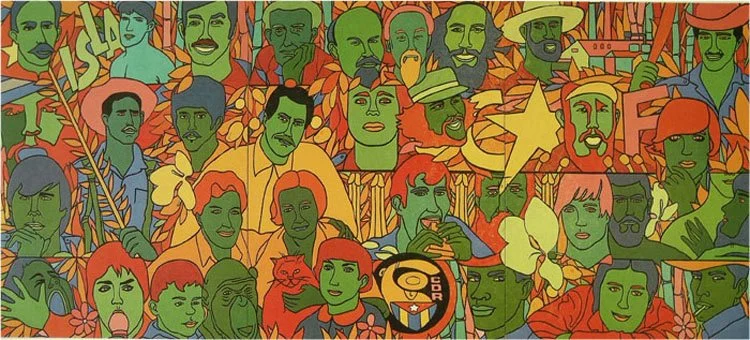
This course explores how revolution reshapes art and how art helps imagine revolution. Focusing on four key moments in Latin American and Caribbean history—the Haitian, Mexican, Cuban, and Nicaraguan Revolutions—we study how writers, artists, and filmmakers engaged in struggles over national identity, anti-imperialism, racial justice, and social transformation. From literary reworkings of the world-changing slave revolt in Haiti to the novel of the Mexican Revolution, Cuban revolutionary cinema, and the poetry and visual art of the Sandinista movement, the course traces how art participated in the making of revolutionary imaginaries.
In development
Critical Contexts in Latinx Cultures (undergraduate)
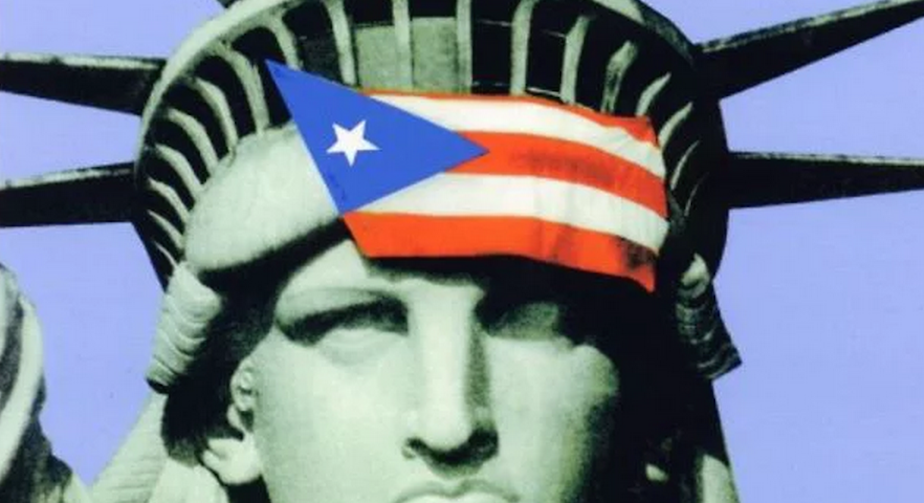
This survey course explores Latinx cultural production in the United States from the late 1960s to the present. Through poetry, short stories, performance art, film, television, essays, and music, we examine themes such as identity formation, discrimination, generational inheritance, migration, and the enduring legacies of colonialism and imperialism in the Americas. Moving between the United States and Latin America, the course adopts a hemispheric lens, emphasizing cross-border histories and cultural exchanges and reading Latinx culture as part of broader transnational processes.
Fall 2024 & Spring 2026, Yale University, Department of Spanish & Portuguese
In(ter)vention: The Contemporary Long Poem (undergraduate)
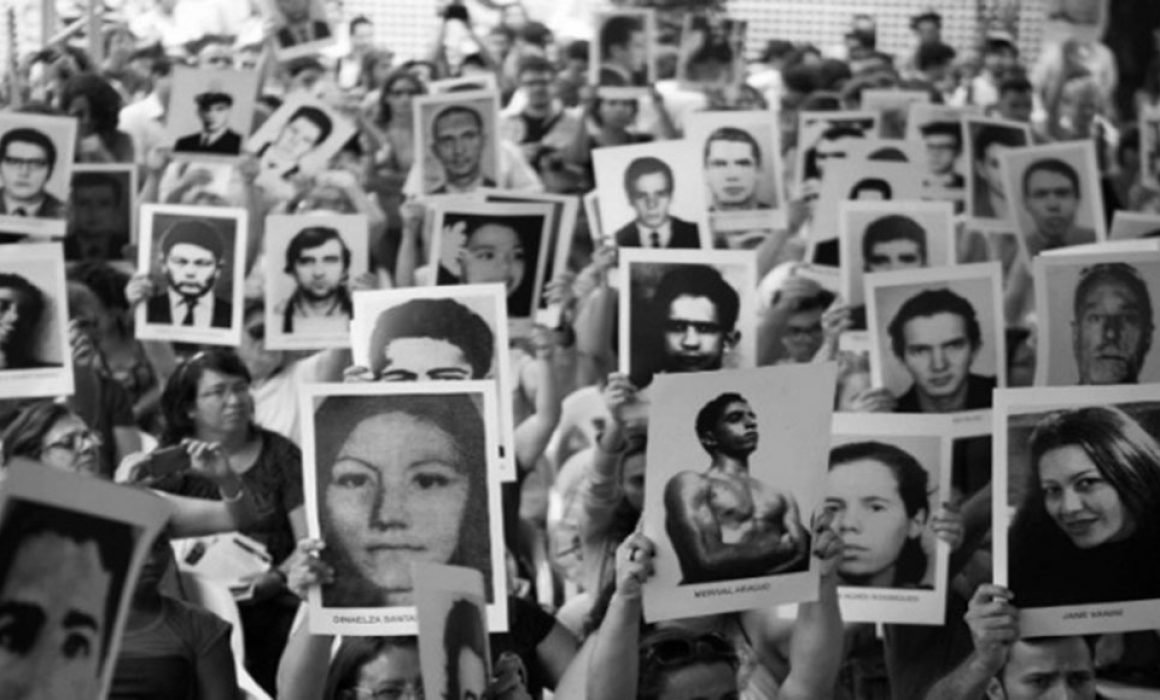
This course explores the long poem as a site of formal experimentation, political imagination, and exchange. Previously taught with a focus on Mexico, Central America, and their diasporas in the United States, this iteration of the course begins with Octavio Paz’s Piedra de sol (1957) and culminates with Lucía María’s delta de sol (2020), a contemporary “unwriting” of Paz’s canonical text. Along the way, students encounter midcentury counter-epics, pioneers in documentary poetry, as well as works that embrace multilingualism, adaptation, rewriting, and electronic media. The course approaches the long poem as a dynamic and evolving form, attentive to questions of scale, voice, and collective history across the Americas. To close each class session, students select short excerpts that crystallize each work’s aesthetic and political stakes, sharing them on a class social media feed (@elpoemalargo), conceived as a collaborative, public-facing archive. Designed as a flexible offering, the course can be reoriented around different geographic areas, traditions, or thematic concerns depending on student interests.
Spring 2022, Kenyon College, Department of Modern Languages & Literatures
After the Algorithm: Literary Translation Workshop (undergraduate)
This seminar offers an overview of the theory and practice of literary translation, with a focus on translating Hispanic texts into English. We explore major debates about fidelity, authorship, voice, untranslatability, and the politics of language, tracing how attitudes toward translation shift across time and in relation to broader developments in literary and critical thought. The course combines theoretical inquiry with hands-on practice. Students analyze published translations, experiment with different translational strategies, and engage with recent works that treat translation as a creative or conceptual practice. Each participant will complete a substantial translation project of a previously untranslated Hispanic text, accompanied by a critical reflection on their methods and decisions. Throughout the semester, we will also consider how new technologies—including AI-assisted translation—are threatening one of the oldest and least automated literary practices. The course approaches translation as a creative, ethical, and historically situated form of writing.
In development
In total, I have been the instructor of record for 23 courses.
My full list of teaching experience can be found in my CV.